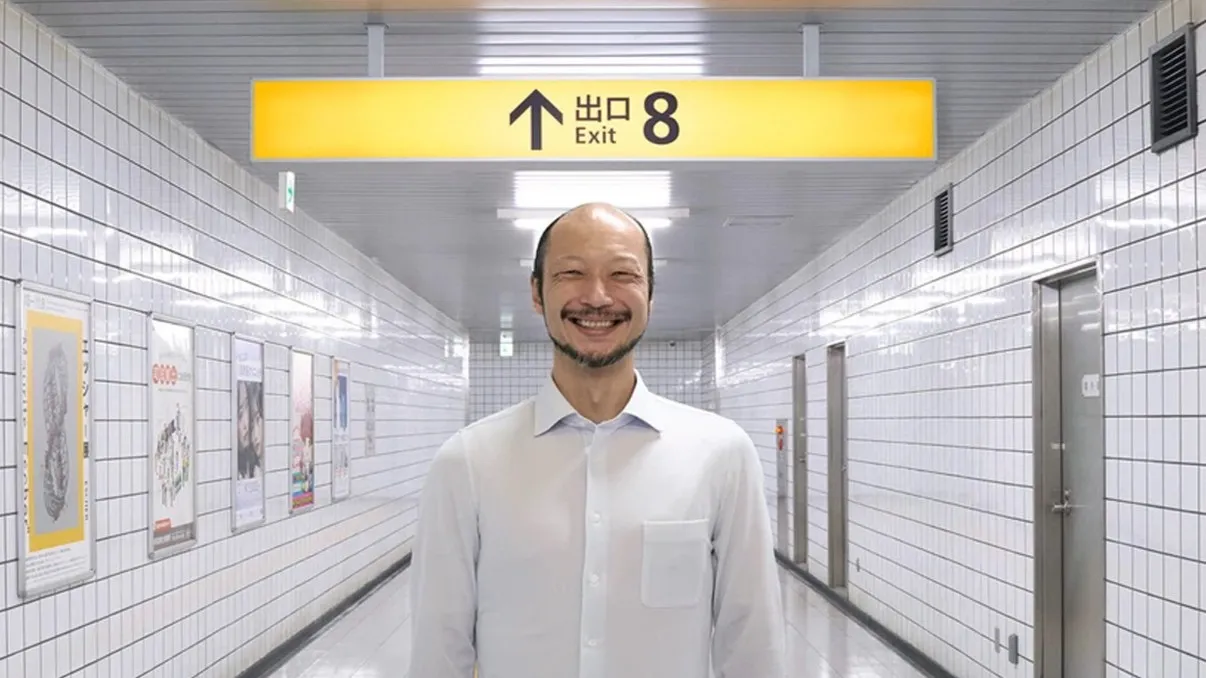
What could’ve been a hollow game adaptation instead becomes a surprisingly human story about routine, responsibility, and the quiet pressure of everyday life.
Video game adaptations are everywhere right now, but Exit 8 is one I genuinely didn’t expect. What began as a short, minimalist indie horror game doesn’t exactly scream “feature-length film” – and yet, this adaptation finds something worth exploring.
Released in 2023, the original game traps you in a looping Japanese subway station. The objective is simple: spot anomalies, avoid mistakes, and eventually reach Exit 8. Despite its stripped-back design, it was incredibly effective – delivering genuine tension, a few solid scares, and a deeply unsettling atmosphere.
Naturally, there isn’t much of a narrative to pull from. But rather than stretching the concept thin, director Genki Kawamura uses it as a foundation for something more character-driven and, for the most part, surprisingly engaging.
“It does more with its source material than it ever really needed to.”
Kawamura leans into the game’s logic, turning it into a narrative device rather than a gimmick. Beneath the surface, the film explores themes of fatherhood and the quiet suffocation of routine. When we first meet the protagonist, known only as The Lost Man, he’s someone who avoids confrontation and responsibility. But as the loop repeats, that avoidance becomes impossible. The structure forces him to confront himself, and that’s where the film finds its edge.
Visually, it’s impressively faithful. The set design mirrors the game almost exactly, capturing that eerie, liminal space where everything feels just slightly off. The sound design is just as effective; subtle, isolating, and constantly unsettling. Even the smallest noise feels unnatural, amplifying the tension throughout.
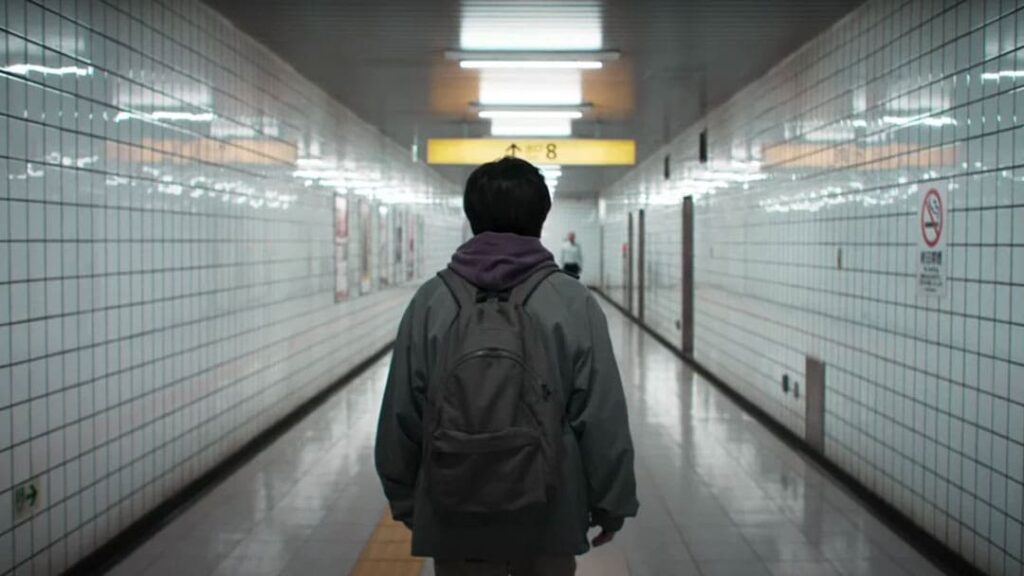
There’s also a layer of interactivity that carries over well. You find yourself scanning the frame, trying to catch anomalies before the character does, almost like you’re still playing the game. That said, a few memorable anomalies from the original game are noticeably absent, which feels like a missed opportunity for some standout scares.
Despite its relatively short runtime, the film does struggle with repetition at times. That’s largely baked into the concept, but it can still drag in places. There are slower stretches where the momentum dips, though to its credit, the film usually finds a way to shift gears just before it loses you completely.
The themes themselves aren’t always strong enough to fully carry the weight of the film, but what’s here is still commendable. Taking such a minimal concept and shaping it into a character-focused story is no small feat and Exit 8 does more with its source material than it ever really needed to.
It won’t work for everyone, but if you’re a fan of the original game or enjoy more introspective psychological horror, there’s something here to appreciate.
It may not escape its limitations, but Exit 8 proves there’s more depth in the loop than you’d expect.
Leave a Reply