
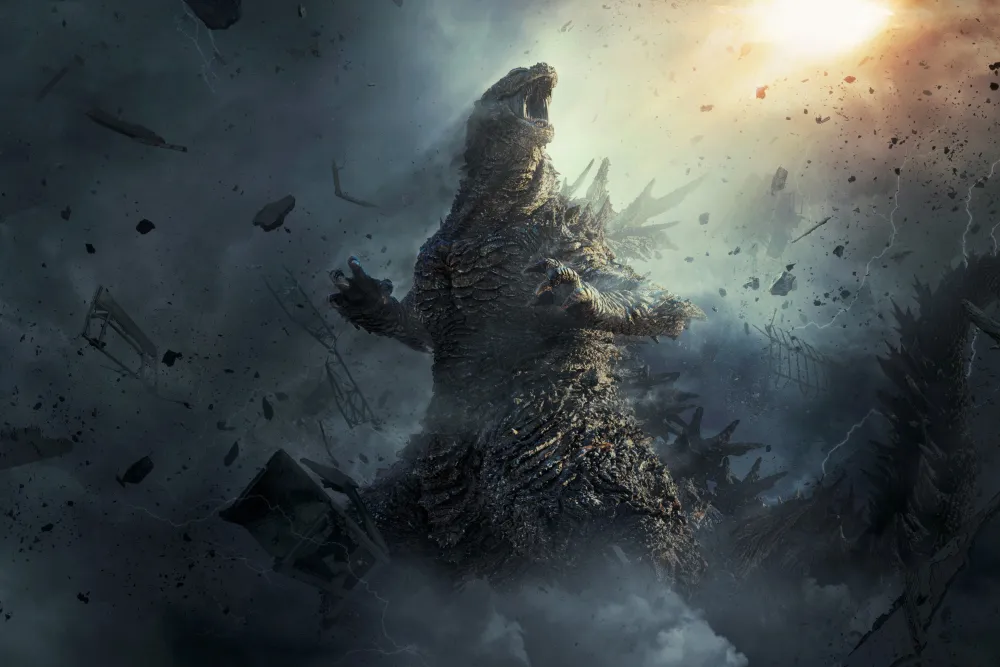
Takashi Yamazaki returns with Godzilla Minus Zero, delivering breathtaking kaiju action and terrifying set pieces without losing sight of the human drama at its core.
How do you go bigger than Godzilla Minus One? Simple, you pit the King of the Monsters against his thunderous nemesis, Ghidorah.
This is easily one of the most jaw-dropping cinematic experiences of the year. The sheer scale of the kaiju battles and the intensity of the action kept me glued to the screen, but the film’s emotional impact proved just as surprising. Beyond the spectacle of giant monsters tearing each other apart, Yamazaki delivers a story that genuinely moves, making this an experience that thrills as much as it affects.
Following the success of Godzilla Minus One, Yamazaki had an incredibly difficult task. The film became one of the most acclaimed Godzilla movies in years, balancing spectacular monster action with a deeply human story about trauma, loss and the aftermath of war. Somehow, he has managed to build on that foundation, expanding the scale without losing sight of what made its predecessor so effective.
“…Godzilla Minus Zero still found a way to bring me to tears…”
The film feels bigger on almost every level. The scale of the action has increased considerably, but the spectacle never completely overwhelm the characters. The human drama may not have been as captivating Minus One, but it still manages to resonate emotionally and remains a crucial part of the film. This time, the story feels particularly interested in the aftermath of disaster, exploring grief, personal growth and the destructive cycle of vengeance.
That thematic focus also allows Yamazaki to continue using Godzilla as more than simply a giant monster. As with Minus One, the creature becomes a reflection of wartime trauma and guilt, representing the destruction that continues to affect people long after the conflict itself has ended. There is a real sense of consequence running throughout the film, which gives the spectacle considerably more weight.
What continues to impress me about Yamazaki’s approach is how much emotional weight he gives these stories. For a film featuring two giant monsters tearing through the screen, Godzilla Minus Zero still found a way to bring me to tears. It speaks to how brilliantly the film draws you into the characters’ struggles, grounding its destruction in the human cost of disaster.
The cast brings a convincing emotional weight to the characters, allowing the quieter moments to land while also giving the larger set pieces a greater sense of urgency. Even as the film expands in scale, the characters remain central to the story.
Of course, the visual effects are one of the film’s biggest strengths.
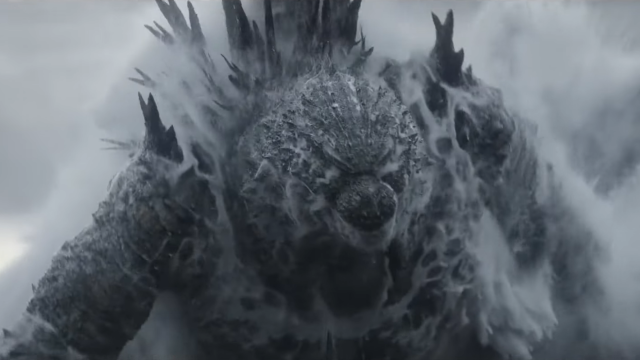
Godzilla looks phenomenal. There were several moments where the visual effects approached photorealism, particularly during the larger sequences. The physicality and imposing presence of the character are captured incredibly well, while the action feels reminiscent of the classic Heisei era without simply attempting to recreate it. It feels like a modern interpretation of that style, with an enormous amount of attention given to scale and movement.
The cinematography plays a major role in creating that sense of scale. The camerawork constantly emphasises just how small the human characters are in comparison to these creatures, while the framing and movement make the action feel genuinely overwhelming. There is a real tangibility to the set pieces, and several sequences had my heart absolutely pounding.
The final act in particular becomes surprisingly intense, combining the spectacle of a large-scale monster movie with an atmosphere of genuine dread. It reminded me at times of watching a horror film, where the tension comes from simply waiting for the next appearance of something terrifying.
Ghidorah is another major highlight. The film gives the thunderous kaiju an incredible sense of presence, with an imposing design and an atmosphere of genuine terror surrounding his appearances. He feels like a formidable threat to Godzilla, and the music only heightens that sense of menace. To no surprise, their conflict provides some of the film’s most exhilarating and frightening moments.
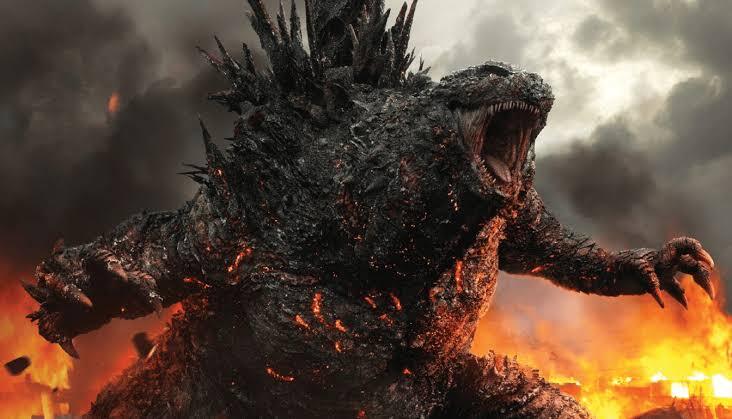
Despite the increased scale, Godzilla Minus Zero rarely feels bloated. There is a strong sense of momentum throughout, with the story continually moving forward while still finding room for character development. The spectacle never completely comes at the expense of the drama, which is an impressive balance for a film of this size.
The film’s R rating also feels justified. The violence is considerably harsher in places, but it never feels excessive simply for the sake of being provocative. Instead, it contributes to the intensity of the action and reinforces the darker themes that Yamazaki is exploring.
Ultimately, Godzilla Minus Zero is an impressive continuation of what Yamazaki established with Godzilla Minus One. It expands the scale, pushes the action to new heights, all while retaining the character-driven approach that made the previous film so effective.
It’s enough to say that the director has once again demonstrated an impressive understanding of what makes Godzilla work as both a spectacle and a symbol.
If Godzilla Minus One was proof that the franchise could still deliver something genuinely moving, Godzilla Minus Zero feels like proof that Yamazaki is only getting started.
Leave a Reply