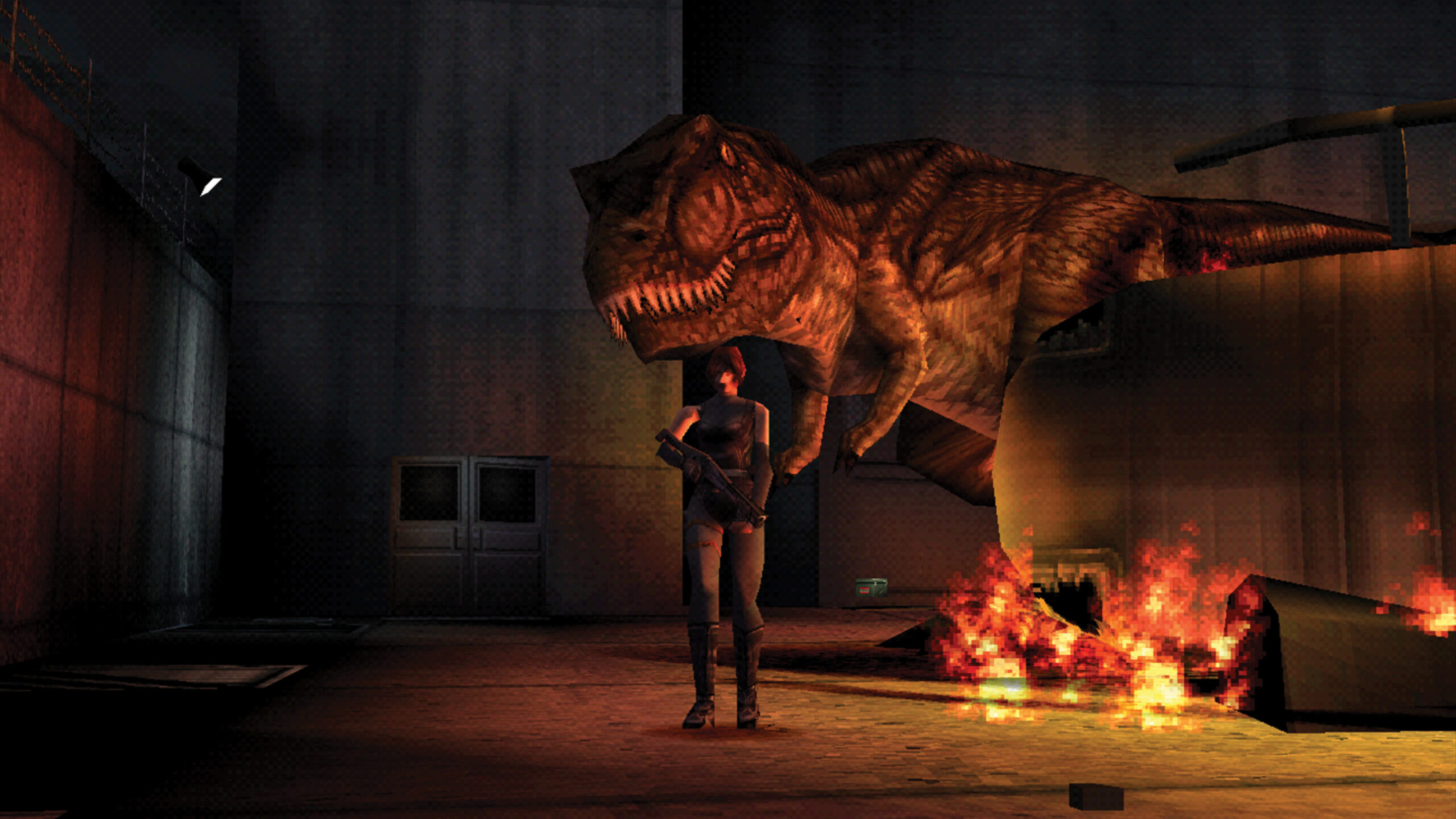
Revisiting the Dino Crisis series and the question of whether it’s time for a comeback.
A raptor crashes through the door and suddenly the room you thought was safe, becomes a death trap. You panic, fire a few shots, and realise it barely slowed the thing down. It’s time to run.
This was the kind of panic Dino Crisis specialised in.
Released in 1999, Capcom’s dinosaur survival horror game quickly built a reputation for being far more intense than many of its contemporaries. While it never reached the mainstream popularity of some of Capcom’s other franchises, Dino Crisis developed a loyal cult following that has spent decades hoping for its return.
Looking back at the series today, it’s clear that Dino Crisis had a lot going for it. From tense survival horror to full-blown action and eventually something much stranger, the franchise took some unexpected turns throughout its short lifespan.
So what exactly happened?
Why did a series with such a devoted fan base disappear for nearly two decades?
And perhaps more importantly, why might now be the perfect time for Dino Crisis to return?
Dino Crisis (1999) – Where Panic Horror Was Born
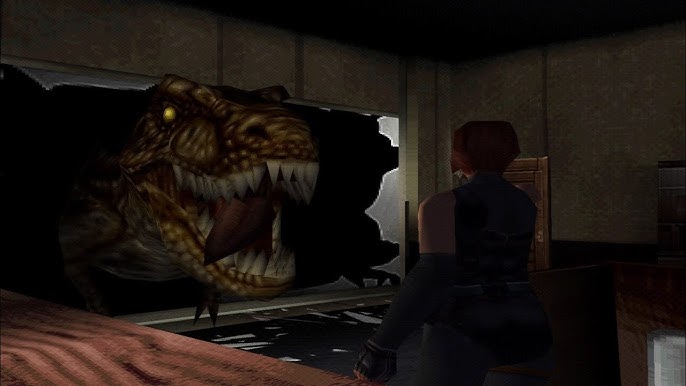
Dino Crisis released on July 1st, 1999 for the PlayStation and Dreamcast. For those unfamiliar with the game, it was often described at the time as “Resident Evil with dinosaurs.”
It was actually Shinji Mikami, the genius behind the early Resident Evil games, that produced and directed this prehistoric horror. Fresh off the success of Resident Evil 2, he wanted to experiment with a different type of horror, something he called “panic horror.”
Anyone who played Dino Crisis can probably agree that the game delivered on that promise.
Players control Regina, a special operations agent sent with a team to investigate a secluded island facility after learning that renowned scientist Dr. Edward Kirk has been leading a secret research project. It doesn’t take long before things go very wrong and the facility is revealed to be overrun with dinosaurs.
The plot is full of over-the-top sci-fi elements, time travel being a major one, but it never detracts from the overall experience. On the surface, it’s easy to dismiss Dino Crisis as a Resident Evil clone with dinosaurs replacing zombies, but there’s actually much more going on beneath that comparison.
While it retained familiar survival horror elements such as puzzles and fixed camera angles, Dino Crisis introduced several changes that helped it stand apart.
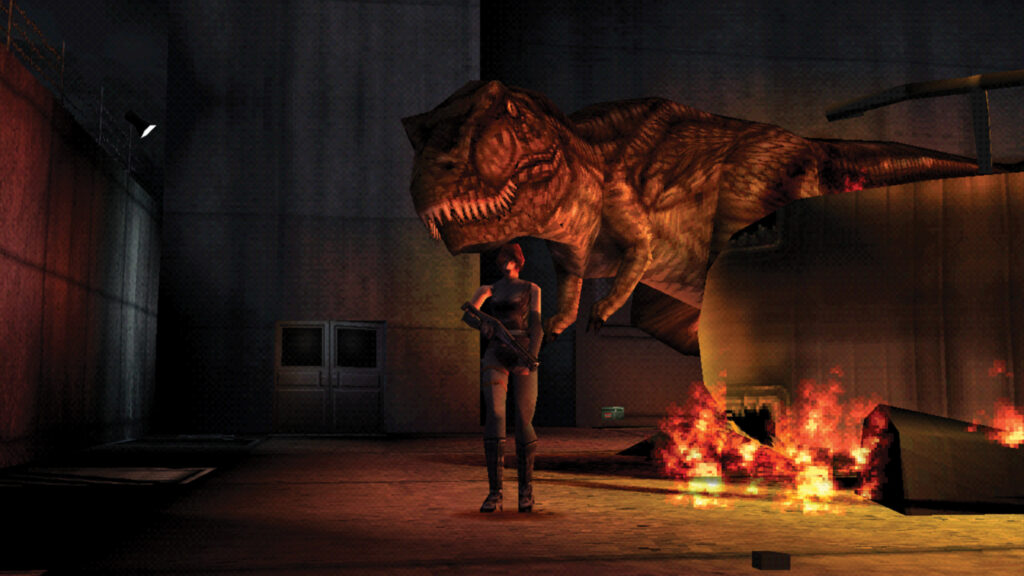
One of the biggest differences was that environments were rendered in real time rather than using pre-rendered backgrounds, which helped characters feel more integrated into the world. The game also allowed players to move while shooting, making combat feel more fluid compared to earlier Resident Evil titles.
The game even featured multiple endings depending on the choices players made throughout the story, something that encouraged replayability.
But what truly defined Dino Crisis was its enemies.
Dinosaurs as a Constant Threat
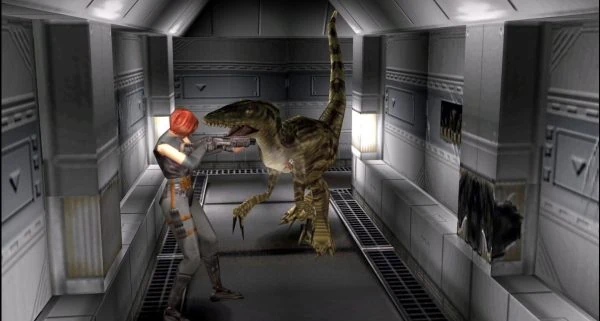
Dinosaurs proved to be far more terrifying than the typical slow-moving zombie. They were fast, aggressive, and intelligent. Raptors could chase players through rooms, attack in groups, and overwhelm you quickly.
Combined with limited ammunition and resources, encounters with these prehistoric predators became genuinely stressful. Even if you had a decent amount of ammo, you’d often find yourself unloading far more bullets into a group of raptors than you would ever need for a mindless zombie.
The sound design also deserves special mention. Composers Makoto Tomozawa and Akari Kaida created a score that elevated the tension throughout the game. The music, combined with the eerie environments, made exploring corridors and offices incredibly unsettling.
All of these elements came together to create a genuinely tense survival horror experience. Dino Crisis succeeded in delivering the “panic horror” Mikami envisioned, pushing the genre forward even if it never reached the same level of popularity as its zombie counterpart.
Critically and commercially, the game was a success. The PlayStation version alone sold over 2.4 million copies, with reviewers praising its intensity, graphics, and gameplay. Dino Crisis proved that survival horror could work just as well with dinosaurs as it did with zombies.
Naturally, the success of the first game meant a sequel wasn’t far behind. However, instead of refining the survival horror formula that made the original so effective, Capcom decided to take the series in a different direction.
Dino Crisis 2 (2000) – From Survival Horror to Full-Blow Action
Just 14 months after the original game, Dino Crisis 2 released on September 13th, 2000 for the PlayStation.
Rather than building directly on the survival horror formula of the first game, Capcom made a surprising decision: they completely reinvented the series.
The shift is comparable to the difference between the first two Alien films. The original Alien was this claustrophobic and horror-focused nightmare, while Aliens leaned heavily into action.
Well, Dino Crisis 2 followed a similar path.
Evolution That Worked
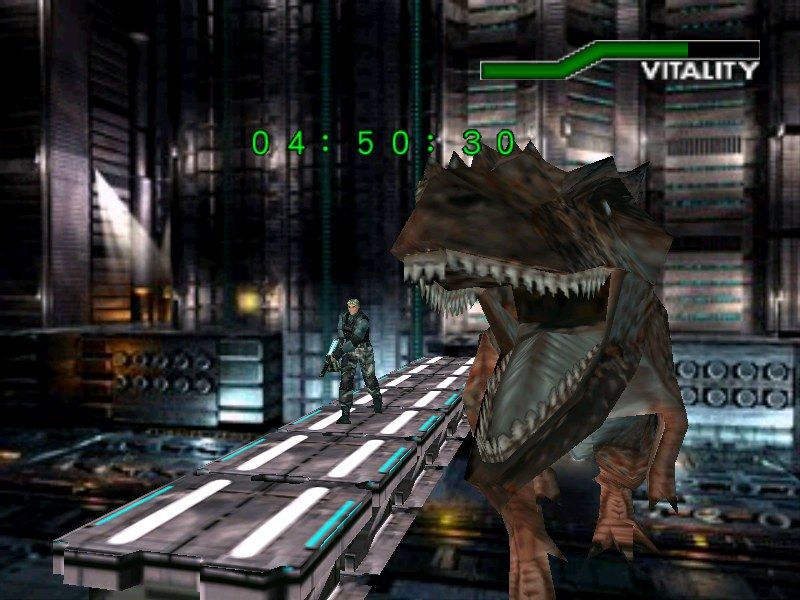
The sequel introduced larger environments, faster combat, and a greater variety of weapons and dinosaurs. It also adopted a more arcade-style structure, rewarding players with points and combos for defeating enemies.
These points could then be spent at computer terminals to purchase weapons, upgrades, and ammunition. There’s actually a similar mechanic in Resident Evil Requiem (foreshadowing perhaps Capcom?).
With the new focus on action, many of the survival horror mechanics from the first game were reduced or removed. Ammo was far more plentiful, meaning players were encouraged to fight dinosaurs rather than avoid them.
While the game still used fixed camera angles and pre-rendered backgrounds, the atmosphere wasn’t quite as strong as the original. The jungle environments looked great, but they lacked the claustrophobic tension of the facility from the first game.
The story leaned even further into sci-fi territory too. Regina returns once again, sent on a mission after an accident causes a military base and surrounding town to be transported through time.
It’s pure late-90s sci-fi nonsense, but entertaining nonetheless.
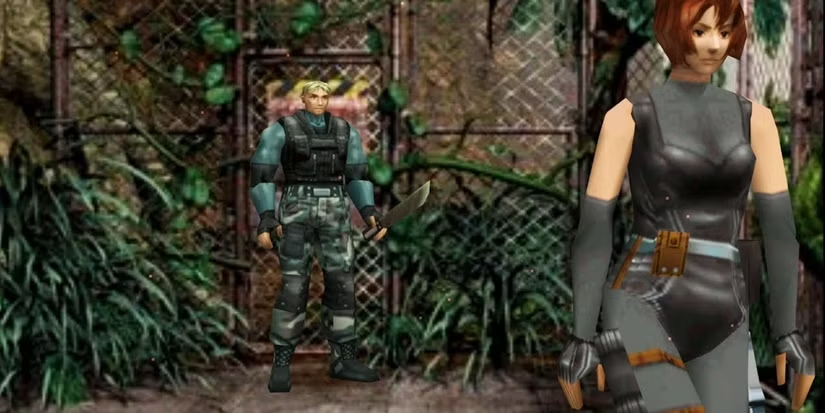
Players also control a second character, Dylan Morton, the leader of the rescue team. Each character has different weapons and abilities, which helped keep gameplay varied.
There’s also a fair amount of backtracking, but unlike the first game it rarely feels engaging. Survival horror titles often send players back through familiar areas, but strong puzzle design and pacing usually make those moments feel purposeful. Dino Crisis 2 doesn’t quite achieve that balance, and without meaningful puzzles or discoveries along the way, much of the backtracking starts to feel like a chore.
Despite moving away from survival horror, Dino Crisis 2 was still a very enjoyable game and managed to carve out its own identity as a fast-paced action experience. However, the drastic shift in tone and gameplay marked the beginning of a larger issue for the series.
I was apparent that Dino Crisis wasn’t quite so sure of what it wanted to be. And when the third instalment arrived a few years later, the series didn’t just change direction again, it went completely off the rails…and straight into space.
Dino Crisis 3 (2003) – When the Dinosaurs Went to Space
Dino Crisis 3.
Released on June 26th, 2003 exclusively for the Xbox, the third entry was already in a strange position. The previous games had built their audience primarily on PlayStation, making the platform shift somewhat puzzling. The platform was the least of the issues though.
Dino Crisis 3 took place in space, set in the year 2548, and revolved around mutated dinosaurs aboard a drifting spacecraft.
Yes, really.
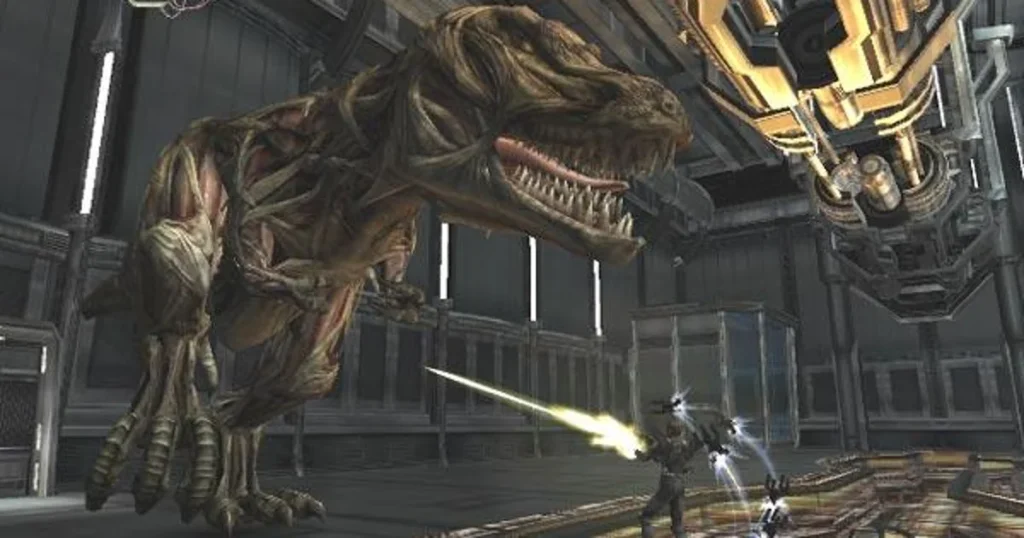
The premise alone raised plenty of eyebrows, but honestly it still could have worked if the gameplay was at least somewhat fun. Maybe.
The controls were clunky, the camera was frustrating, and the game included awkward platforming segments alongside repetitive combat encounters. These issues made the experience feel tedious rather than exciting.
The tone and style also felt completely disconnected from the previous games.
Players once again controlled two characters, but neither protagonist had the personality or presence of Regina. After spending two games with her as the central character, her absence felt like a strange and unnecessary decision.
Even the creative dinosaur designs couldn’t save the experience.
What Could’ve Been
Dino Crisis 3 ultimately became a major disappointment and a missed opportunity to evolve the series in a meaningful way.
Critics and players were quick to call out the game’s problems and while some praised the bold experimentation and art design, most reviews focused on the frustrating controls, repetitive combat, and the bizarre setting. Unlike its predecessors, Dino Crisis 3 failed to capture the “panic horror” or immersive tension that made the first game so memorable. Fans were disappointed, and the series’ future suddenly looked uncertain.
Interestingly, this wasn’t always the plan for the third game.
Early concepts reportedly envisioned a direct sequel to Dino Crisis 2 featuring Regina once again. The game was said to focus on a city under siege by dinosaurs, with players working alongside AI partners to fight them while making choices that affected the story.
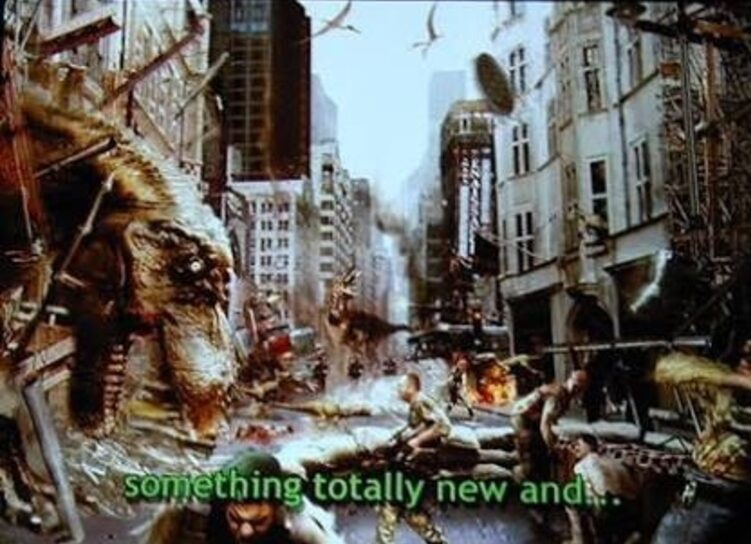
However, after the events of 9/11, Capcom reportedly worried that the destroyed city setting would feel too sensitive for players at the time. The concept was scrapped, and the project eventually transformed into Dino Crisis 3. It’s a shame because this sounded way better than what we ended up getting. Fighting off dinosaurs in the big city sounds like a blockbuster game if you ask me.
Ultimately, Dino Crisis 3 was a wild ride. Space, mutated dinosaurs, clunky controls, and tedious combat all rolled into one. It was unlike anything that came before, and not in a good way.
One disappointing game, though, isn’t usually enough to erase a franchise. So why has Dino Crisis vanished for over two decades? Let’s take a closer look at what happened.
So, what Happened to Dino Crisis?
At first glance, it might seem like the failure of Dino Crisis 3 is the reason the series disappeared.
But one bad game usually isn’t enough to kill a franchise entirely.
The Resident Evil series has had its fair share of weaker entries over the years, yet Capcom has continued to support it and the franchise is now more popular than ever.
The real issue with Dino Crisis was a lack of identity.
Each game in the series experimented with a different genre and tone. The first game focused on survival horror, the second leaned heavily into action, and the third went full sci-fi.
While experimentation isn’t necessarily a bad thing, it meant the franchise never truly established what Dino Crisis was supposed to be.
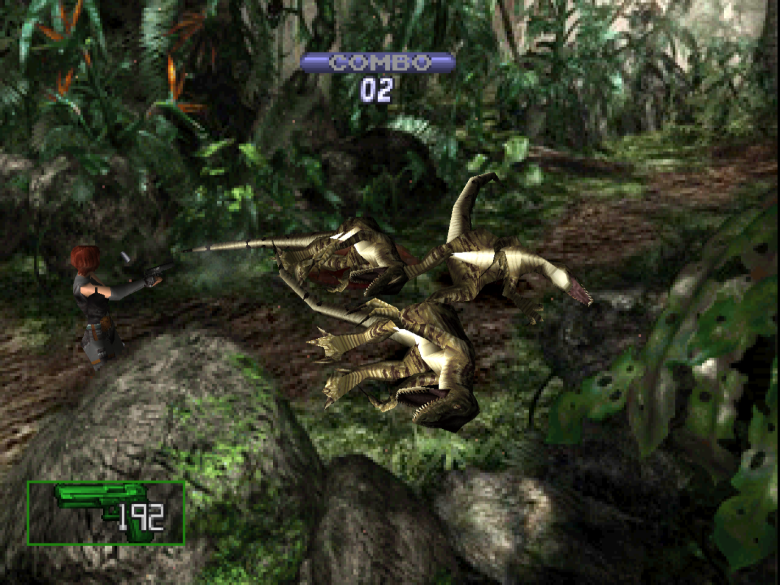
From a publisher’s perspective, investing resources into a franchise without a clear identity becomes difficult, especially when other series already have strong, established audiences.
Another factor was the changing popularity of dinosaurs in mainstream media.
Following the early 2000s, dinosaur-themed entertainment wasn’t quite as dominant as it had been during the era of the original Jurassic Park films. However, interest in dinosaurs clearly never disappeared.
The latest Jurassic World movies prove that audiences still have a huge appetite for these prehistoric creatures, with these movies collectively earning billions at the box office.
Clearly, dinosaurs still capture people’s imagination. And their wallets.
The Future of the Dinosaurs
Even though Dino Crisis hasn’t seen a new entry since 2003, the idea of the series returning has never really gone away. In fact, recent years have shown that fans are more passionate about a comeback than ever.
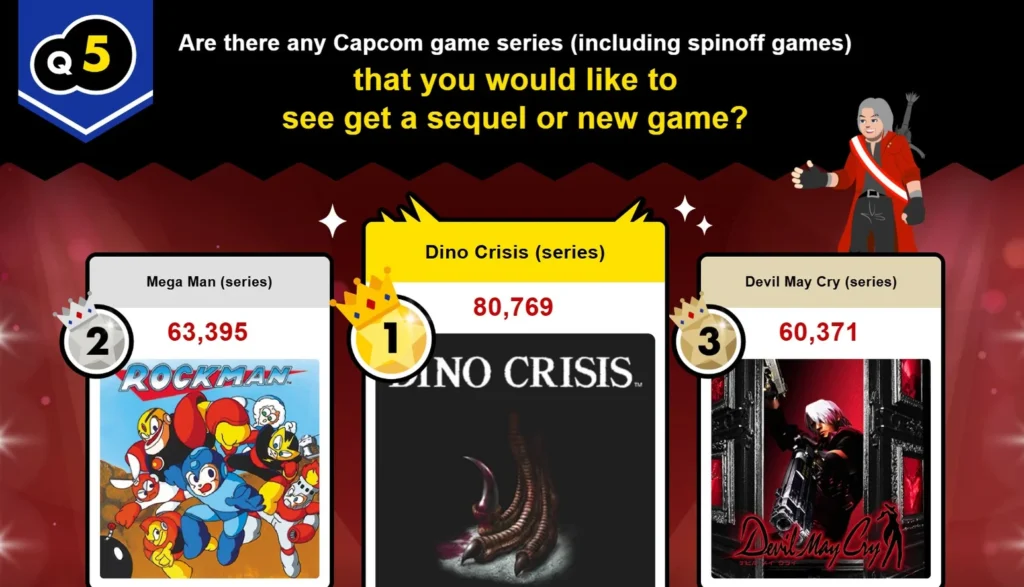
Capcom itself has even asked players what classic franchises they’d like to see revived. In the company’s “Super Elections” fan survey earlier in 2024, Dino Crisis actually topped the list of franchises players wanted to see return, with more votes than other long‑dormant series like Mega Man or Devil May Cry.
There have also been several attempts within Capcom to remake the original game, but according to industry insiders, those projects were reportedly cancelled because they never met the company’s quality standards.
On top of official surveys, the fan response hasn’t slowed either; petitions, community polls, and social chatter all point to a consistently high level of interest in seeing the first game reimagined for modern consoles.
There’s no official confirmation that a remake or sequel is in development right now, but there are hints. Trademark renewals in different regions signal Capcom is at least keeping the IP active.
Whether it takes the form of a remake in the modern survival horror style, a full sequel, or something completely new, there’s clearly demand out there. And with survival horror enjoying something of a resurgence, Dino Crisis feels more ripe for a return than it has in years.
Leave a Reply